
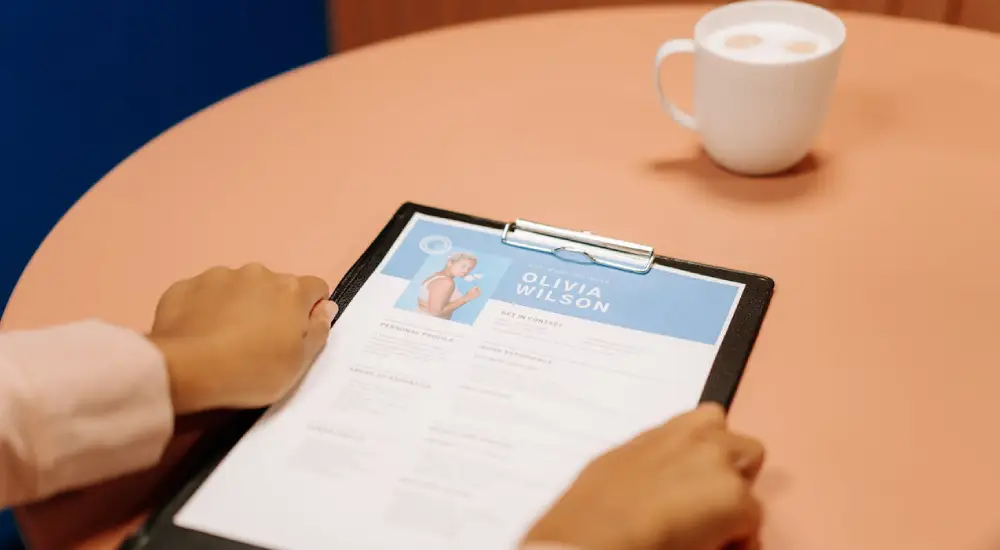
Career changing can be a thrilling but daunting experience. Perhaps the most important tool in your job hunt is your resume. For career changers, creating a resume that showcases transferable skills and proves the value of previous experience can be a game-changer. In this article, we will discuss how to create a resume that facilitates a successful transition into a new career.
1. Understand What Employers Are Looking For
Before you start writing your resume, take the time to research your target industry. Understanding the skills and qualifications employers are looking for will help you highlight relevant experiences and capabilities in your resume. For example, a project manager moving into a marketing role might emphasise organisational skills, leadership, and communication over direct industry experience.
2. Focus on Transferable Skills
One of the biggest obstacles to changing careers is bridging the gap between past work and future opportunities. Focus on transferrable skills including teamwork, leadership, communication, and problem-solving. These skills are applicable to many different industries and professions. By emphasising them successfully, you show employers that your experience is valuable, even if it isn’t directly relevant to the job you’re looking for.
3. Tailor Your Resume for Each Job
Each job you apply for may require different skills and experiences. To improve your chances, customise your resume for each job. Match your work history to the job description, emphasising your skills that fit the job specifications. In addition to increasing your chances of getting noticed, it shows that you have taken the time to learn about the role and the business.
4. Use a Functional or Hybrid Resume Format
For career changers, the traditional chronological resume may not be the best fit. A functional or hybrid resume format allows you to emphasise skills and accomplishments rather than focusing solely on work history. This method is particularly useful for showcasing your transferrable skills, especially if your previous employment aren’t directly relevant to the one you’re seeking.
5. Include applicable courses, certificates, and volunteer experience.
Include on your resume any classes you’ve taken, certificates you’ve earned, or volunteer work you’ve done that is relevant to your new job. This will show that you are dedicated to the change and that you are making an effort to acquire the skills you will need. Candidates who are willing to invest the time and energy into learning new skills are a plus for employers.
6. Consider Professional Help: Resume Writing Services
If you are finding it difficult to identify your transferrable skills or choosing the best framework for your career transition, you might consider getting the help of an expert. Resume writing services could assist you in creating an engaging, well-written resume that highlights your skills and positions you as the best candidate for your desired job.
Conclusion
It is intimidating to write a resume when changing careers, but with the proper strategy, you can leverage your previous experience. By emphasizing transferable skills, customizing your resume for every position, and taking advantage of professional resume writing services, you can have a resume that will get you noticed and lead to success in your new career. Take the leap and assertively introduce yourself as the perfect candidate for the position.